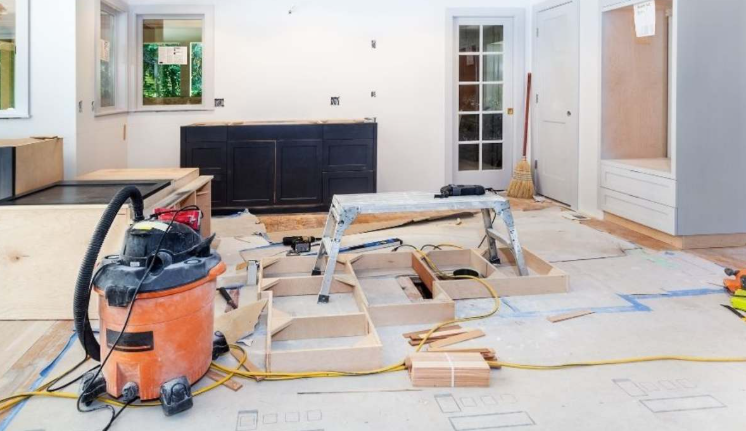
Home improvement myths can mislead homeowners and result in costly mistakes. Many believe that DIY projects are always cheaper, yet this overlooks the potential for errors and the need for expertise. Others assume that painting is a year-round task, ignoring the effects of climate on results. Additionally, the notion that expensive materials ensure superior quality is flawed. Understanding these misconceptions is crucial for informed decisions, especially when considering renovations and their actual impact on property value.
DIY Projects Always Save Money
Many homeowners believe that engaging in DIY projects will invariably lead to significant cost savings.
However, this assumption often overlooks common DIY pitfalls, which can result in costly mistakes. Inadequate skills, improper tools, and lack of planning can transform a seemingly simple project into an expensive endeavor.
Ultimately, understanding the potential risks is essential for those seeking true financial freedom in home improvement.
See also: chandigarhmetro
Painting Can Be Done Anytime
Throughout the year, homeowners may assume that painting can be undertaken at any time, regardless of the season or weather conditions.
However, optimal results require attention to interior climate and surface preparation. Extreme temperatures or high humidity can hinder paint adhesion and drying.
Therefore, planning painting projects during favorable conditions ensures durability and a professional finish, ultimately enhancing the home’s aesthetic appeal.
Expensive Materials Guarantee Quality
Homeowners often equate higher costs with superior quality when selecting materials for home improvement projects.
However, the use of premium materials does not always translate to better performance or durability. Performance perception can be influenced by marketing rather than actual efficacy.
Understanding the true value of materials requires careful evaluation of their attributes, rather than solely relying on price as an indicator of quality.
Home Renovations Always Increase Value
While it is a common belief that home renovations invariably enhance property value, this notion can be misleading.
Renovation trends may not align with current buyer preferences, and market fluctuations can significantly impact a home’s worth.
Homeowners should evaluate potential returns carefully, considering both local market conditions and the specific renovations planned, to ensure their investments yield the desired financial benefits.
Conclusion
In conclusion, understanding the myths surrounding home improvement is crucial for homeowners aiming to make informed decisions. Like a mirage in the desert, these misconceptions can lead to costly mistakes and unmet expectations. By recognizing that DIY projects may not always be cost-effective, that painting is weather-dependent, that expensive materials don’t guarantee quality, and that renovations don’t always boost property value, homeowners can approach their projects with a clearer, more realistic perspective, ultimately enhancing their investment.